Is it Columbus Day or Indigenous Peoples’ Day? See what’s closed in California
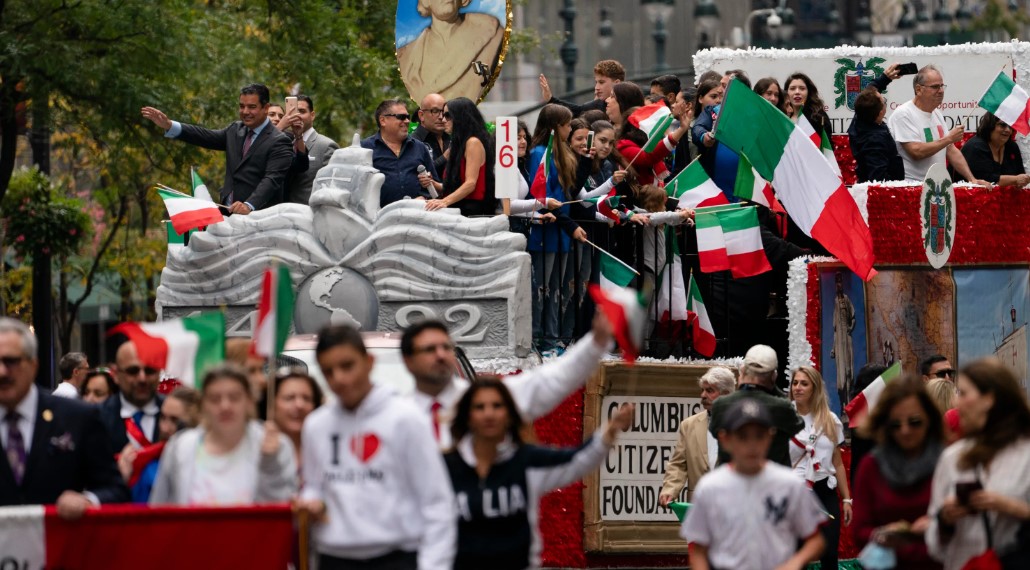
Here’s a detailed look at the question “Is it Columbus Day or Indigenous Peoples’ Day?” and what’s open or closed in California when that day falls.
Columbus Day vs. Indigenous Peoples’ Day — What’s the difference?
U.S. Federal holiday status
-
Columbus Day is a federal holiday, observed on the second Monday in October, marking the anniversary of Christopher Columbus’s arrival in the Americas (traditionally 1492).
-
Indigenous Peoples’ Day is a relatively newer observance. It’s intended to honor the histories, cultures, and resilience of Indigenous peoples, often in contrast to the colonial narratives associated with Columbus.
-
Many states, cities, and institutions have started to recognize Indigenous Peoples’ Day instead of—or alongside—Columbus Day.
-
On the federal level, though, Columbus Day is still the official holiday.
How California treats the holiday
-
In California, Columbus Day is not a state holiday. The state does not officially close state government offices for Columbus Day.
-
However, California does recognize Indigenous Peoples’ Day in many localities and by proclamation—even if it doesn’t always result in closures on the state level.
-
The California Department of Education’s calendar indicates that October 13, 2025 (which is the second Monday in October) is labeled both “Columbus Day” and “Indigenous Peoples’ Day” as observances.
-
Importantly, though, the California Secretary of State’s list of 2025 state holidays does not list Columbus Day / Indigenous Peoples’ Day among the state holidays for which offices close.
-
Also, the California Employment Development Department (EDD), which lists state holidays for payroll and tax purposes, cites Native American Day (a different observance in September) but does not list Columbus Day / Indigenous Peoples’ Day as a state-paid holiday.
So in California, even though many municipalities and local governments may observe Indigenous Peoples’ Day or declare closures, the state as a whole doesn’t treat the second Monday in October as a mandatory holiday for state-level offices.
At the municipal level, many cities in California have moved to replace “Columbus Day” on their calendars with “Indigenous Peoples’ Day.” San Francisco, for example, celebrates the latter. Los Angeles County’s Board of Supervisors voted to adopt Indigenous Peoples’ Day in place of Columbus Day.
Thus, when someone asks, “Is it Columbus Day or Indigenous Peoples’ Day in California?”, the practical answer is:
-
Federally: it’s Columbus Day (because federal law still names it that).
-
Locally: many places may call it Indigenous Peoples’ Day.
-
For state-level closures: the day is typically not observed as a full state holiday in California.
What is open and what is closed (or altered) in California?
Because the observance is somewhat hybrid and depends on federal, state, and local authority, what is open or closed on that Monday in California can vary. Here’s a breakdown of key categories and typical behavior:
Federal/Postal / Mail
-
The U.S. Postal Service (USPS) observes Columbus Day as a federal holiday. Thus there is no regular mail delivery and post offices are closed for retail transactions.
-
After such a holiday, normal mail operations resume the next day.
-
Some express or overnight services (e.g. Priority Mail Express) may still run, depending on policies.
Federal offices/courts / federal services
-
Since Columbus Day is a federal holiday, federal offices and courts are typically closed.
-
Other federal services (such as certain national parks or federal buildings) may also observe closures or limited hours.
State government offices
-
As mentioned, California does not treat the second Monday in October as a state holiday, so state offices often remain open.
-
In practice, DMV offices and other state agencies in many instances, remain open on that day.
-
But some local jurisdictions do close their city or county offices in observance of Indigenous Peoples’ Day. For example, the City of Ontario, CA, has a notice that city offices will be closed for Indigenous Peoples’ Day.
Public schools
-
Most California schools remain open on Columbus Day / Indigenous Peoples’ Day. The state does not recognize it as a school holiday.
-
The California Department of Education’s calendar suggests the day is an observance, not a closure.
Local government/city services
-
Some city and county offices may close, depending on whether that city has adopted Indigenous Peoples’ Day as a recognized holiday. Eg: in Los Angeles County, government offices are often closed.
-
Libraries, local courts, local planning offices, city halls, and similar may close in those jurisdictions.
-
In many places, transit services (buses, subways) run on normal or modified schedules rather than full shutdowns.
-
Trash collection is often unaffected or follows a regular schedule. For instance, in Los Angeles, trash pickup continues as scheduled.
Banks / financial institutions
-
Many banks close on Columbus Day / Indigenous Peoples’ Day, because they observe federal holidays.
-
ATMs, mobile banking, and online services typically continue operating.
-
However, local branches might vary — smaller banks or credit unions may choose different policies, so checking local branches is wise.
Retail / Big-Box Stores / Grocery
-
Most large retailers—Costco, Target, Walmart, grocery chains—remain open.
-
Some may operate on reduced or holiday hours, depending on location and staffing.
-
Smaller local businesses may choose to close or operate with reduced hours, depending on local observance or staffing.
Libraries / Museums / Cultural Institutions
-
Many public libraries close for the day, especially in cities that recognize Indigenous Peoples’ Day as a municipal holiday.
-
Museums, especially those managed by local government, may close or have reduced hours. Some may choose to remain open, especially institutions that commemorate Indigenous histories or host special events.
-
In cities celebrating Indigenous Peoples’ Day, cultural events, performances, ceremonies, and educational programming are common. For example, San Francisco holds Indigenous Peoples’ Day performances and remembrances.
Courts
-
Federal courts close due to the federal holiday.
-
Local courts (county, municipal) may also close if the local government observes the day. In other places, they might remain open if the jurisdiction doesn’t formally recognize it.
Practical guidance if you’re in California
If you’re planning for that Monday (second Monday in October):
-
Check at the local level. Whether your city or county recognizes Indigenous Peoples’ Day will heavily influence what’s closed in that area (city hall, libraries, courts).
-
State offices and the DMV are more likely to stay open in many parts of California — don’t count on a total shutdown.
-
Postal services will definitely be closed (USPS) — no regular mail delivered.
-
Banks will likely be closed, especially major ones.
-
Retail, grocery, and big-box stores will often remain open (though possibly with modified hours).
-
Public schools generally remain in session in California.
-
Cultural events may be planned in cities that embrace Indigenous Peoples’ Day.
Summary
-
Federally, it is still Columbus Day on the second Monday in October.
-
Many states and cities increasingly refer to it as Indigenous Peoples’ Day and use it to highlight Native American histories.
-
In California, the day is not a state holiday, meaning that many state-level offices stay open.
-
But locally, some cities and counties do close or reduce services under the Indigenous Peoples’ Day observance.
-
For closures: USPS (mail), federal offices, possibly local government and libraries, local courts, and many banks are likely to be closed.
-
Retailers, schools, and many state services are more likely to remain open—though the local situation can vary.
If you like, I can check for your specific city or county in California and tell you exactly what will be closed there. Do you want me to do that?


