Columbus day national holiday 2025
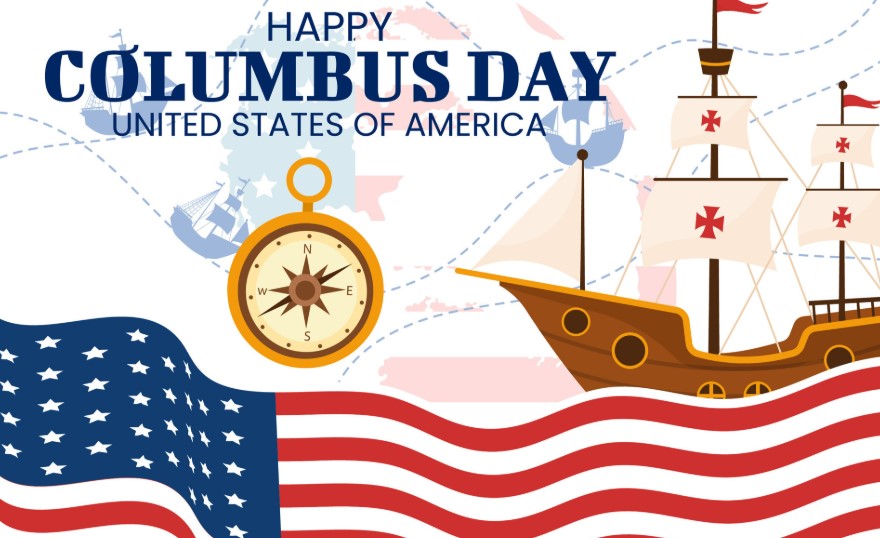
Columbus Day is one of the most recognized federal holidays in the United States, commemorating the arrival of Christopher Columbus to the Americas on October 12, 1492. Celebrated on the second Monday of October each year, this national holiday honors the spirit of exploration and discovery that changed the course of world history. While it remains a day of pride and patriotism for many Americans, Columbus Day also invites reflection and discussion about its complex legacy. The holiday’s observance has evolved over time, symbolizing both the achievements of European exploration and the deeper historical truths about the indigenous peoples who lived in the Americas long before Columbus’s arrival.
The Origins of Columbus Day
The idea of commemorating Christopher Columbus dates back to the 18th century when Italian-Americans began recognizing Columbus as a symbol of ethnic pride and cultural contribution. Columbus, an Italian explorer sailing under the Spanish flag, was credited with “discovering” the New World, even though indigenous peoples had inhabited the Americas for thousands of years.
The first official Columbus Day celebration in the United States took place in 1792 in New York City, marking the 300th anniversary of Columbus’s voyage. Over the next century, the holiday gained momentum, especially among Italian-American communities who viewed Columbus as a symbol of perseverance and achievement in the face of discrimination.
In 1937, President Franklin D. Roosevelt made Columbus Day a federal holiday, largely due to lobbying efforts by the Knights of Columbus, a Catholic fraternal organization. Initially celebrated on October 12 each year, the Uniform Monday Holiday Act of 1971 moved Columbus Day to the second Monday in October, aligning it with the modern schedule of federal holidays.
Why Columbus Day Is a National Holiday
Columbus Day holds federal recognition as a symbol of exploration, courage, and the quest for new horizons. It celebrates the historic voyage that connected Europe and the Americas, sparking centuries of migration, cultural exchange, and global transformation.
For many Americans, Columbus Day serves as a reminder of the pioneering spirit that has defined the nation’s identity. Columbus’s determination to venture into the unknown reflects qualities like ambition, curiosity, and resilience—values deeply ingrained in American culture.
Furthermore, Columbus Day became a moment for recognizing the contributions of Italian-Americans, who played a significant role in shaping the United States. In the early 20th century, when many Italian immigrants faced social and economic discrimination, Columbus became a unifying symbol of pride and acceptance within American society.
Modern Observances of Columbus Day
Today, Columbus Day is observed as a federal holiday, meaning all federal offices and most banks are closed. Government employees typically have the day off, and schools may either close or hold educational programs about the historical significance of the holiday.
Cities across the United States commemorate the day with parades, cultural festivals, and ceremonies. One of the most notable celebrations takes place in New York City, where the Columbus Day Parade draws thousands of participants and spectators. The parade features marching bands, floats, and representatives from Italian-American organizations, all honoring the explorer’s legacy and the broader contributions of Italian heritage to the United States.
In addition to the festivities, Columbus Day also serves as an opportunity for teachers and historians to discuss the Age of Exploration. Many schools use this time to teach about Columbus’s voyages, the impact of European colonization, and the resulting cultural exchanges that shaped the modern world.
The Controversy Surrounding Columbus Day
While Columbus Day remains a national holiday, it has become increasingly controversial in recent decades. Critics argue that the holiday glorifies European colonization, which led to the displacement, oppression, and suffering of indigenous peoples in the Americas. For many Native Americans, Columbus’s arrival marked the beginning of centuries of violence, disease, and cultural erasure.
This growing awareness has led several states and cities to replace or reframe Columbus Day as Indigenous Peoples’ Day, honoring the original inhabitants of the Americas and their enduring cultures. States such as Alaska, Maine, Minnesota, New Mexico, and Vermont have officially recognized Indigenous Peoples’ Day, while others have chosen to celebrate both holidays simultaneously.
The shift reflects a broader societal movement toward inclusivity and historical accuracy. Many Americans now use the day to learn about indigenous history, celebrate native traditions, and acknowledge the resilience of native communities that continue to thrive today.
Columbus Day vs. Indigenous Peoples’ Day
The debate between Columbus Day and Indigenous Peoples’ Day is not simply about replacing one holiday with another—it represents a larger conversation about how history is remembered and whose stories are told.
Supporters of Columbus Day argue that the holiday recognizes an important moment in world history—the merging of continents and cultures that ultimately shaped the modern global landscape. They see Columbus as a courageous navigator whose journey symbolizes the human desire for discovery and progress.
On the other hand, proponents of Indigenous Peoples’ Day emphasize the need to confront the darker consequences of European colonization. They advocate for honoring the heritage, wisdom, and resilience of Native American communities rather than glorifying figures associated with conquest and displacement.
This ongoing dialogue reflects a growing understanding that history can be celebrated while also being critically examined. Many communities now hold joint observances, recognizing both Columbus’s historical significance and the importance of indigenous perspectives.
The Legacy of Columbus Day
Columbus Day continues to evolve as a reflection of America’s changing values and historical consciousness. It remains a federal holiday, but its meaning varies widely across regions and communities. For some, it is a day of pride and cultural celebration; for others, it is a time of mourning and remembrance.
The legacy of Columbus himself is complex. While his voyages undeniably transformed the world, they also initiated centuries of colonization and cultural disruption. Recognizing both the achievements and the consequences of his journeys allows for a more balanced understanding of history.
As the United States continues to grapple with its past, Columbus Day serves as a reminder of the power of exploration and the importance of historical truth. It encourages Americans to reflect on their collective identity, to honor the courage that drives discovery, and to acknowledge the diverse peoples who form the fabric of the nation.


One Comment