Columbus Day History, Meaning, Holiday, & Facts
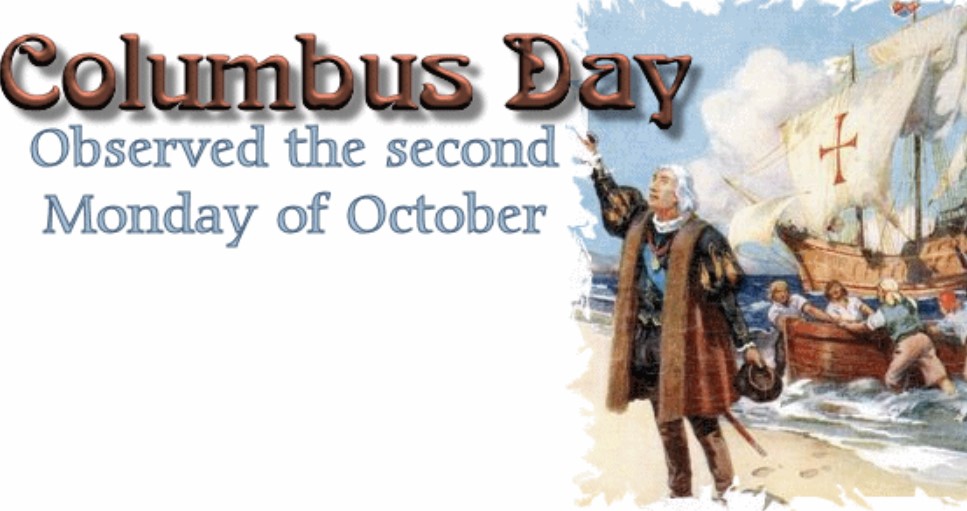
Columbus Day is one of the oldest commemorative holidays in the United States, honoring the historic voyage of Christopher Columbus and his arrival in the Americas in 1492. Celebrated every second Monday in October, the day recognizes not only a key moment in world history but also the exploration, discovery, and the profound consequences that followed. Over the years, Columbus Day has evolved — from being a celebration of exploration and Italian-American pride to becoming a subject of reflection and debate about colonialism and Indigenous rights.
In 2025, Columbus Day will be observed on Monday, October 13, and it remains a federal holiday in the U.S. While many institutions close in observance, some states and cities now celebrate Indigenous Peoples’ Day instead, emphasizing the heritage, resilience, and cultures of Native peoples who lived in the Americas long before Columbus’s arrival.
The History of Columbus Day
The story of Columbus Day begins with Christopher Columbus, an Italian explorer born in Genoa in 1451. Sponsored by Spain’s King Ferdinand and Queen Isabella, Columbus set sail across the Atlantic Ocean in August 1492, seeking a westward route to Asia. On October 12, 1492, his fleet — consisting of the Niña, the Pinta, and the Santa María — landed on an island in the Bahamas. Columbus believed he had reached the East Indies, but instead, he had encountered the Americas, initiating contact between Europe and the Western Hemisphere.
The first recorded celebration of Columbus’s landing took place in 1792, marking the 300th anniversary of his voyage. The event was organized by the Columbian Order, also known as the Tammany Society, in New York City. Throughout the 19th century, Italian-American communities embraced Columbus as a symbol of pride and achievement, viewing him as a heroic Italian figure who had contributed to the birth of the New World.
In 1892, President Benjamin Harrison issued a proclamation encouraging Americans to mark the 400th anniversary of Columbus’s voyage with patriotic ceremonies. This national recognition helped establish Columbus as a figure representing courage, exploration, and progress.
Finally, in 1937, President Franklin D. Roosevelt proclaimed October 12 as Columbus Day, making it an official federal holiday. The date was later moved to the second Monday of October in 1971, following the Uniform Monday Holiday Act — the same legislation that standardized several federal holidays to create long weekends.
The Meaning of Columbus Day
Columbus Day meaning has transformed significantly over time. Traditionally, it was seen as a day to honor exploration, discovery, and the spirit of adventure that shaped global history. For many Italian-Americans, it remains a celebration of their cultural heritage, emphasizing the contributions of Italian immigrants to American society.
However, modern interpretations of the holiday have expanded beyond the celebration of Columbus himself. Many Americans now use the day to reflect on the broader consequences of European colonization — including the displacement, suffering, and loss endured by Indigenous peoples. This has led to growing recognition of Indigenous Peoples’ Day, which honors the original inhabitants of the Americas and their enduring cultural legacies.
The shift in meaning from honoring Columbus to recognizing Indigenous peoples reflects an evolving understanding of history — one that seeks to acknowledge both achievements and injustices. The day, therefore, serves as a moment of both commemoration and education, inviting Americans to reflect on their shared past and ongoing journey toward equality and understanding.
Columbus Day as a Federal Holiday
As a federal holiday, Columbus Day means that most federal government offices, post offices, and banks are closed. It is one of the eleven U.S. federal holidays officially recognized by the federal government. Federal employees typically have the day off, and no mail is delivered by the U.S. Postal Service.
However, Columbus Day’s observance varies by state. Some states, such as California, Oregon, and South Dakota, do not recognize Columbus Day at all, choosing instead to celebrate Indigenous Peoples’ Day or Native American Day. Others, like New York, Illinois, and Massachusetts, continue to recognize Columbus Day, often with parades and cultural events celebrating Italian heritage.
In Washington, D.C., the holiday is marked by official ceremonies and educational programs, while cities like New York and Chicago host vibrant parades that highlight Italian-American pride, music, and community traditions.
Interesting Facts About Columbus Day
-
First Columbus Day Celebration
The first recorded Columbus Day celebration in the U.S. took place in 1792 in New York City, organized by the Society of St. Tammany to commemorate the 300th anniversary of Columbus’s landing. -
Italian-American Heritage
Columbus Day became a symbol of Italian-American identity during the late 19th and early 20th centuries, a period when Italian immigrants faced discrimination in the U.S. Celebrating Columbus, an Italian explorer, was a way for the community to assert pride and belonging. -
Federal Recognition in 1937
President Franklin D. Roosevelt, under pressure from the Knights of Columbus and Italian-American groups, declared October 12 as a federal holiday in 1937. -
Uniform Monday Holiday Act (1971)
The date was changed to the second Monday in October in 1971 to provide federal workers with a three-day weekend. -
Indigenous Peoples’ Day Movement
The movement to replace or reframe Columbus Day began in the late 20th century. South Dakota was the first state to officially celebrate Native American Day instead of Columbus Day in 1990. In 2021, President Joe Biden became the first U.S. president to issue a proclamation recognizing Indigenous Peoples’ Day. -
Public Opinion Shift
A growing number of states and cities — including Seattle, Denver, Los Angeles, and Washington, D.C. — now officially celebrate Indigenous Peoples’ Day, marking a shift in public consciousness. -
Parades and Celebrations
The New York City Columbus Day Parade is one of the largest, featuring over 35,000 marchers, floats, and bands. It is a proud expression of Italian-American culture and history. -
Columbus Did Not Discover North America
Contrary to popular belief, Columbus never actually set foot on the mainland of North America. His voyages were primarily to the Caribbean islands, Central America, and parts of South America. -
Legacy Debate
Today, many historians and educators encourage critical discussions around Columbus’s legacy — acknowledging his navigational achievements while also examining the negative impacts of European colonization on Indigenous civilizations. -
Educational Value
Schools and universities often use Columbus Day as an opportunity to teach about the Age of Exploration, the Columbian Exchange, and the complex history that shaped modern America.
Modern Observances and Reflection
In modern times, Columbus Day continues to be both a celebration and a point of reflection. Italian-American organizations host parades, banquets, and cultural exhibits celebrating Italian heritage and contributions to U.S. history. At the same time, Indigenous communities use the day to promote awareness of Native history, resilience, and sovereignty.
Many workplaces and schools use the occasion to foster discussions about history, cultural diversity, and reconciliation. The dual observances — Columbus Day and Indigenous Peoples’ Day — highlight how one date can represent multiple narratives, each deserving respect and understanding.


One Comment